
Travelling with a dog? What to check before booking a private villa in Istria
· By Lovely Istria
A large garden, no neighbours just over the fence, and a nearby dog beach – here's what to ask before booking a villa in Istria when travelling with a four-legged family member.
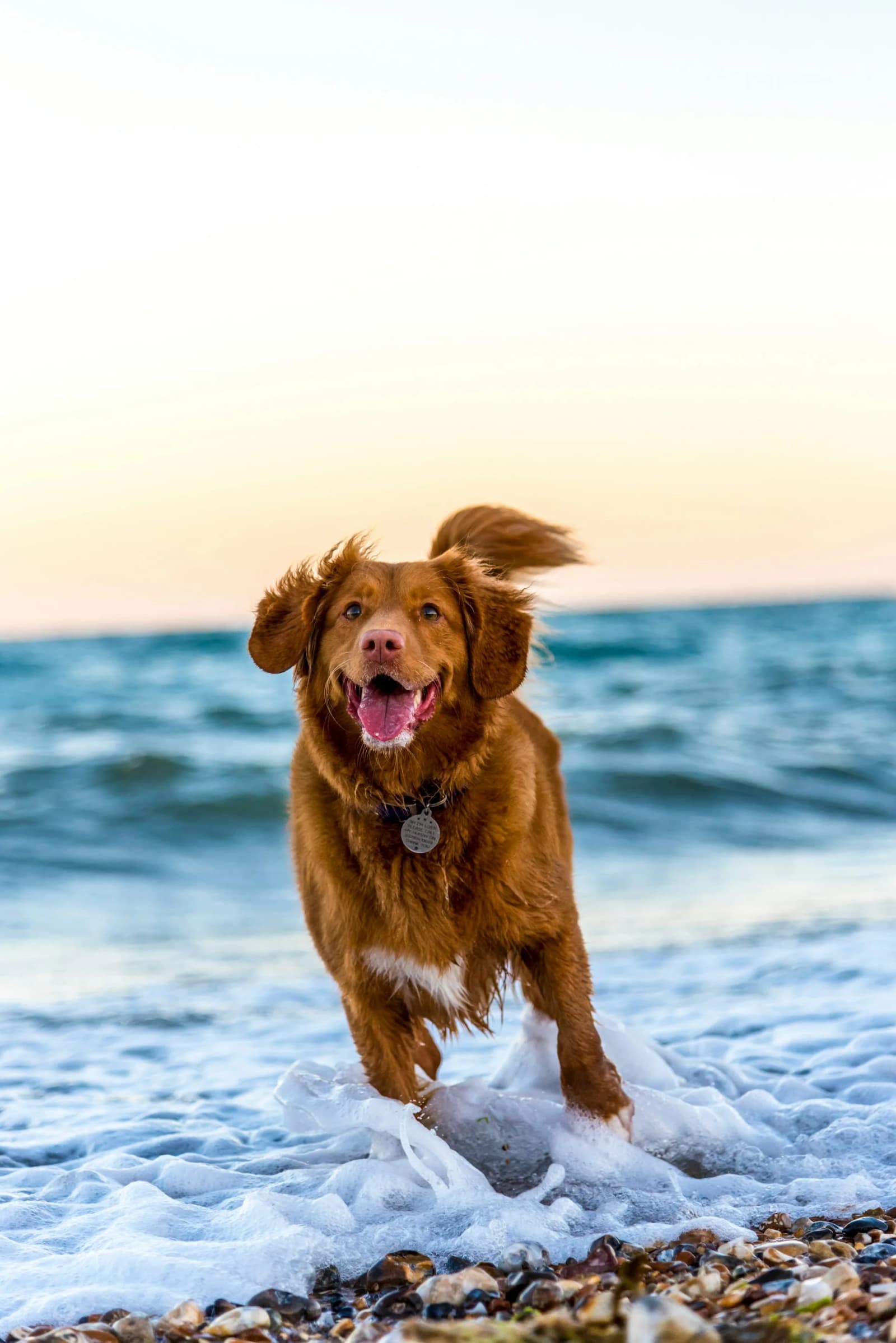
More and more guests from Germany, Austria and the UK are arriving in Istria with a dog in the boot. And it's entirely understandable – the peninsula offers spacious stone houses, large gardens and peaceful areas where your dog can run off the lead, while you finally relax without worrying whether the barking will bother someone over the wall. But for such a holiday to be truly relaxing, it's worth asking the right questions in advance – both of the villa owner and of yourself.
Documents and vaccinations: sort this out before you travel
Regardless of whether you're coming from Germany, Austria or the UK, your dog must have a microchip and a valid rabies vaccination to enter Croatia. Owners must ensure their pets are microchipped, vaccinated against rabies, and accompanied by a valid pet passport or certificate recording all of this, verified by a vet. The vaccination is considered valid and allows entry into Croatia if at least 21 days have passed since the date of the first, primary vaccination; with proper and timely revaccination (before the previous vaccination expires), this waiting period does not apply.
For guests from Germany and Austria, this means in practice: an EU pet passport, a microchip in line with the standard, and, if it's the dog's first vaccination, the vaccination carried out at least three weeks before arrival. If the dog has a proper history of regular revaccination, this waiting period does not apply.
For guests from the UK, the rules have changed. From 22 April 2026, UK residents travelling to the EU with a dog, cat or ferret will need to obtain an Animal Health Certificate (AHC). British pet passports are no longer valid for entry into the EU, and a new certificate is required for each individual trip. The certificate is issued by an authorised vet, so be sure to book that appointment in good time – it needs to be requested well in advance, as it's issued within 10 days before travel, and at least 21 days must pass after the primary rabies vaccination.
Questions to ask before booking a villa
When looking for a villa where your dog will enjoy themselves too, a listing description of "large garden" or "peaceful location" isn't enough. Specific questions get specific answers:
- How large is the plot and is it fully fenced? A low decorative fence isn't the same as a stone wall or wire fence tall enough to stop a dog jumping over it or squeezing underneath.
- Does the villa have immediate neighbours? If you're after seclusion, with no close neighbours, check the distance to the nearest property and whether the grounds are surrounded by fields, olive groves or woodland rather than another house.
- What's the terrain in the garden like? Gravel, grass or a paved terrace – each surface has its pros and cons for paws and for hot summer days.
- Is there shade during the day? Just like you, your dog needs a sheltered spot when the sun is at its strongest.
- Is the dog allowed inside the house, and in which areas? Villa owners set their own rules – some allow dogs everywhere, others ask that they stay in the garden or in certain areas only.
Ask these questions to the agency or owner before confirming your booking – an experienced host will happily send you extra photos of the fence, garden and surroundings so you can be sure it suits your needs.
Nearby dog beaches
Istria is an increasingly dog-friendly destination, and alongside a villa with the right kind of garden, it's good to know in advance where swimming with your dog is allowed. In Pula there are several spots where dogs can stay and swim all day, all year round. These include the small harbour near Stoja campsite, Saccorgiana beach below the tourist resort, the beach by the lighthouse at Verudela, Hidrobaza and Štinjanska vala, Galebove stijene, and Valovine.
In Rovinj, choose bays with designated areas. Dogs are allowed to stay and swim in Lone, Cuvi, Kaštelan, Veštar and Cisterna bays, as well as at Škaraba beach by the quarry in the Zlatni rt forest park. On the eastern coast, in Rabac, pet swimming is allowed in the area known as Girandella, where there's a section specifically marked for dogs to stay and swim.
It's worth bearing one general rule in mind: dogs are generally not allowed on beaches that hold Blue Flag status, so it's a good idea to check the status of a specific beach before you arrive. During the swimming season, on the landscaped town beaches in Pula and Medulin, dogs are usually allowed outside the busiest hours, while more relaxed rules apply outside summer. If you're planning a summer visit, be sure to check the current rules for your chosen beach before heading to the sea.
Extra tips for a peaceful stay
Book your villa as soon as you've settled on your travel dates – properties with large fenced grounds and no immediate neighbours are in high demand and get booked up quickly, especially in peak season. Bring your dog's familiar bedding and bowls to help them settle into the new surroundings faster, and check in advance where the nearest vet is, just in case.
If this is exactly the kind of holiday you're after – a spacious plot, a fenced garden and peace and quiet without curious glances over the fence – feel free to browse our villas and filter the offer by garden size and distance from neighbouring properties. With a little planning, a holiday in Istria can be just as enjoyable for you as it is for your dog.