
The old town and the sea
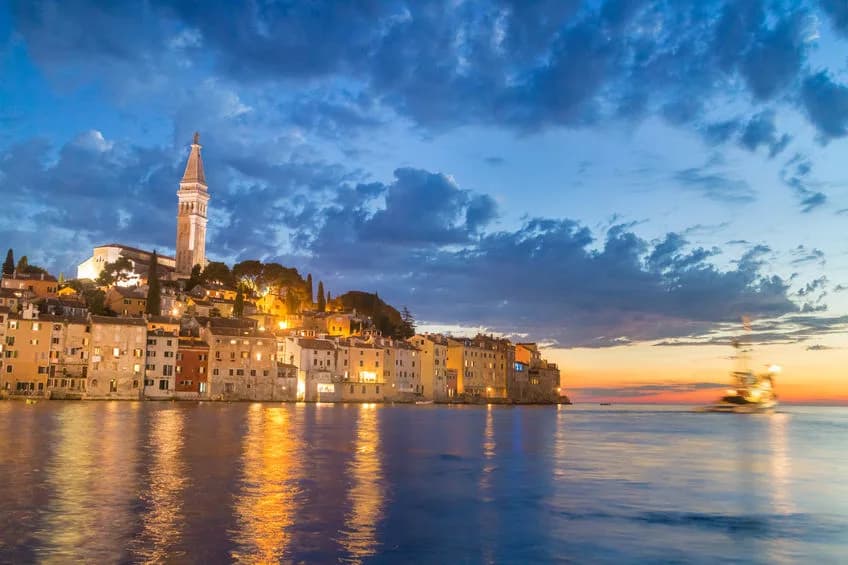
Rovinj’s old town sits on a peninsula that was an island until the channel separating it from the mainland was filled in, in 1763. Narrow stone streets climb from the harbour to the baroque Church of St Euphemia, whose bell tower, about 60 metres high and modelled on the campanile of St Mark’s in Venice, can be climbed for a view over the rooftops and the islands. On the way up, the Balbi Arch and Grisia, the street of artists’ studios and galleries, are worth slowing down for. Rovinj is officially bilingual, Croatian and Italian, and you will often see both languages side by side on signs.
Down in the harbour, look for the batana, the flat-bottomed wooden boat that local fishermen have used for generations. South of the town, the Zlatni rt (Punta Corrente) forest park, laid out in the 19th century, has shaded paths along the coast and places to swim, which makes it a good choice for a morning walk or a dip.
Day trips around Rovinj
A short boat trip takes you to St Catherine’s Island and the Red Island opposite the town, both part of the Rovinj archipelago. On the mainland, the Lim Channel, a deep sea inlet fringed by woodland, and the Palud nature reserve, a protected wetland good for birdwatching, are well worth a visit. The ruins of Dvigrad, a medieval town abandoned in the 17th century, and the little medieval town of Bale, with its Venetian-style houses and castle, are close by too. Pula with its Roman Arena and Poreč with the Euphrasian Basilica are each a day trip away.
Where the villas are
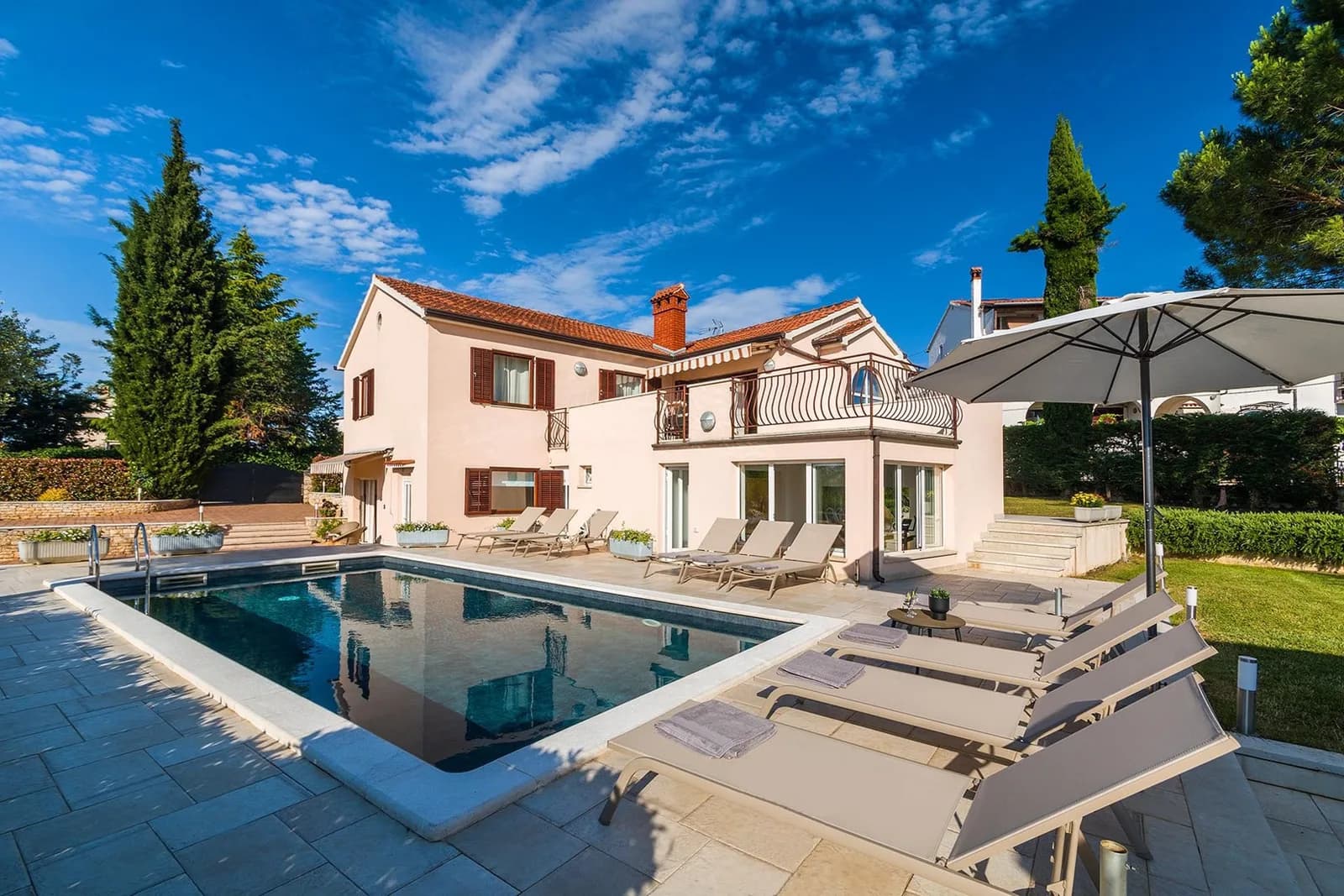
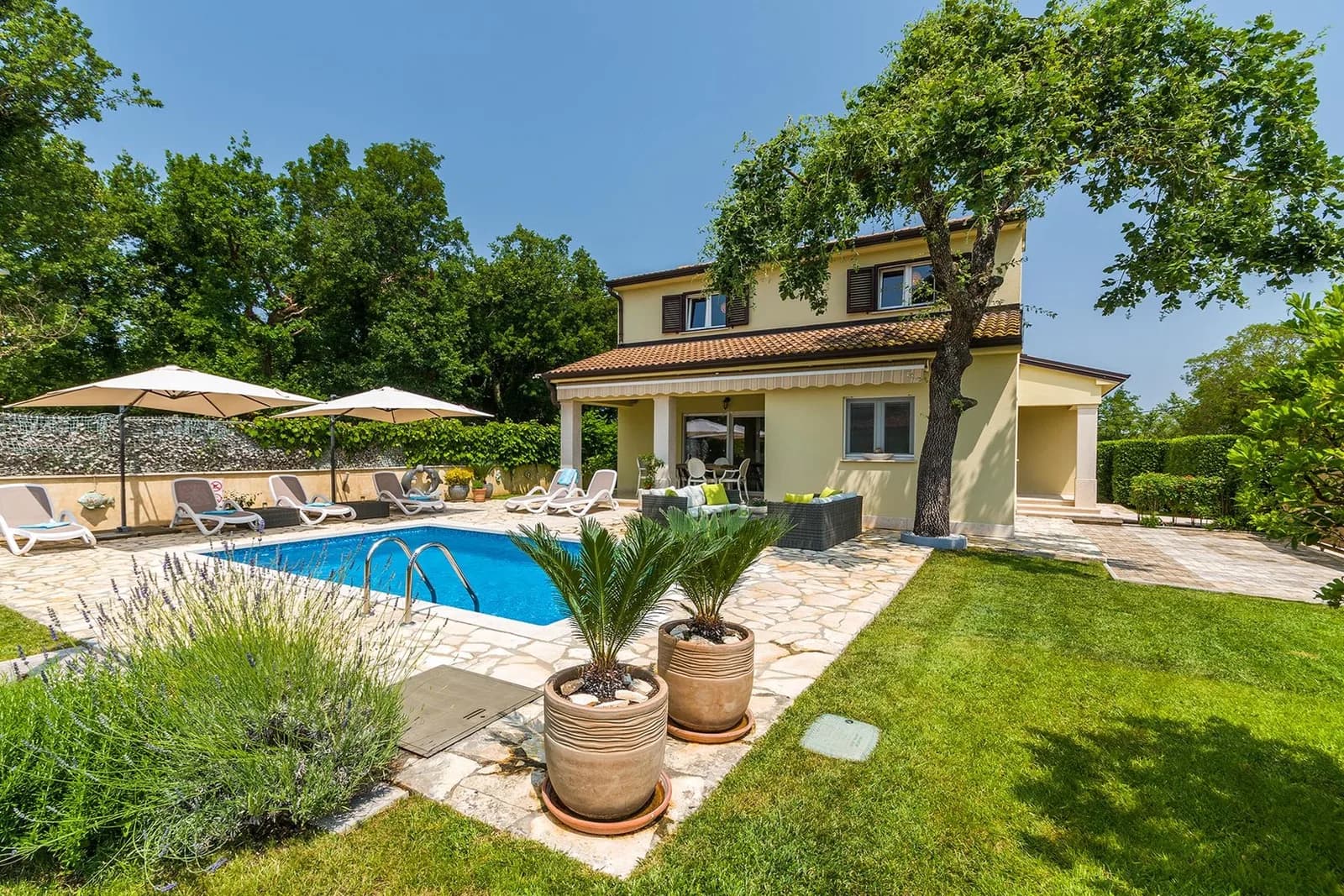
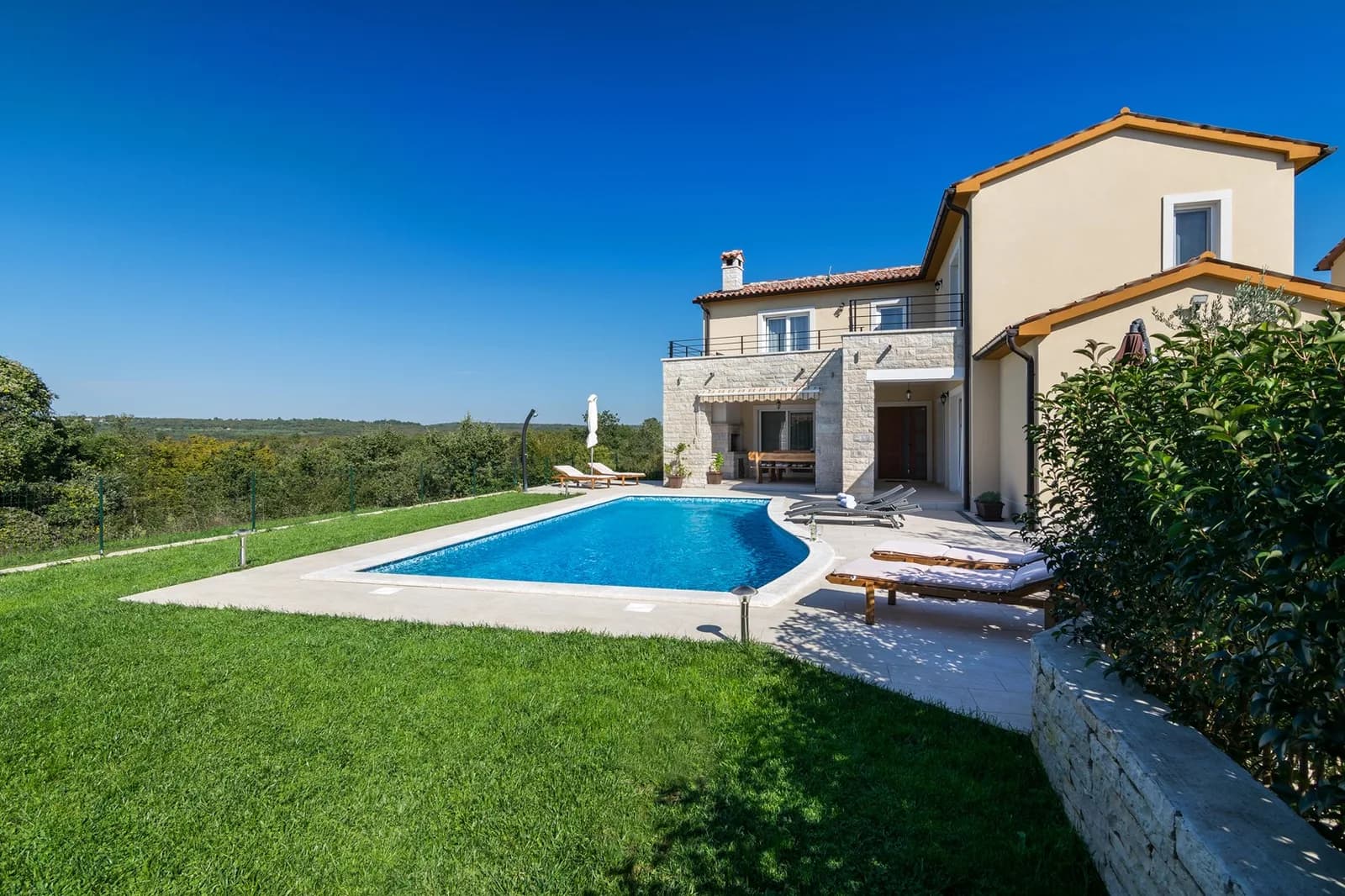
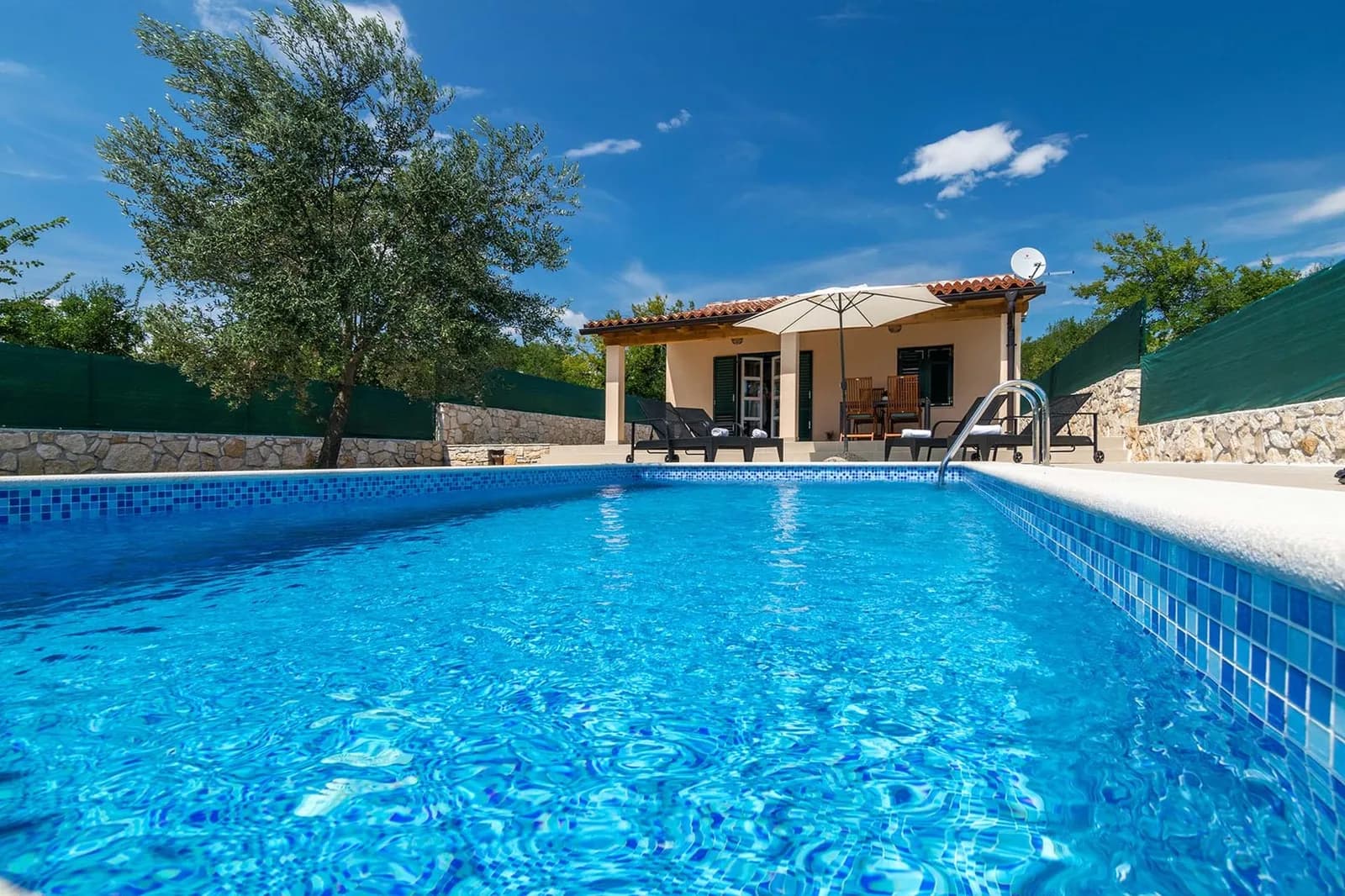
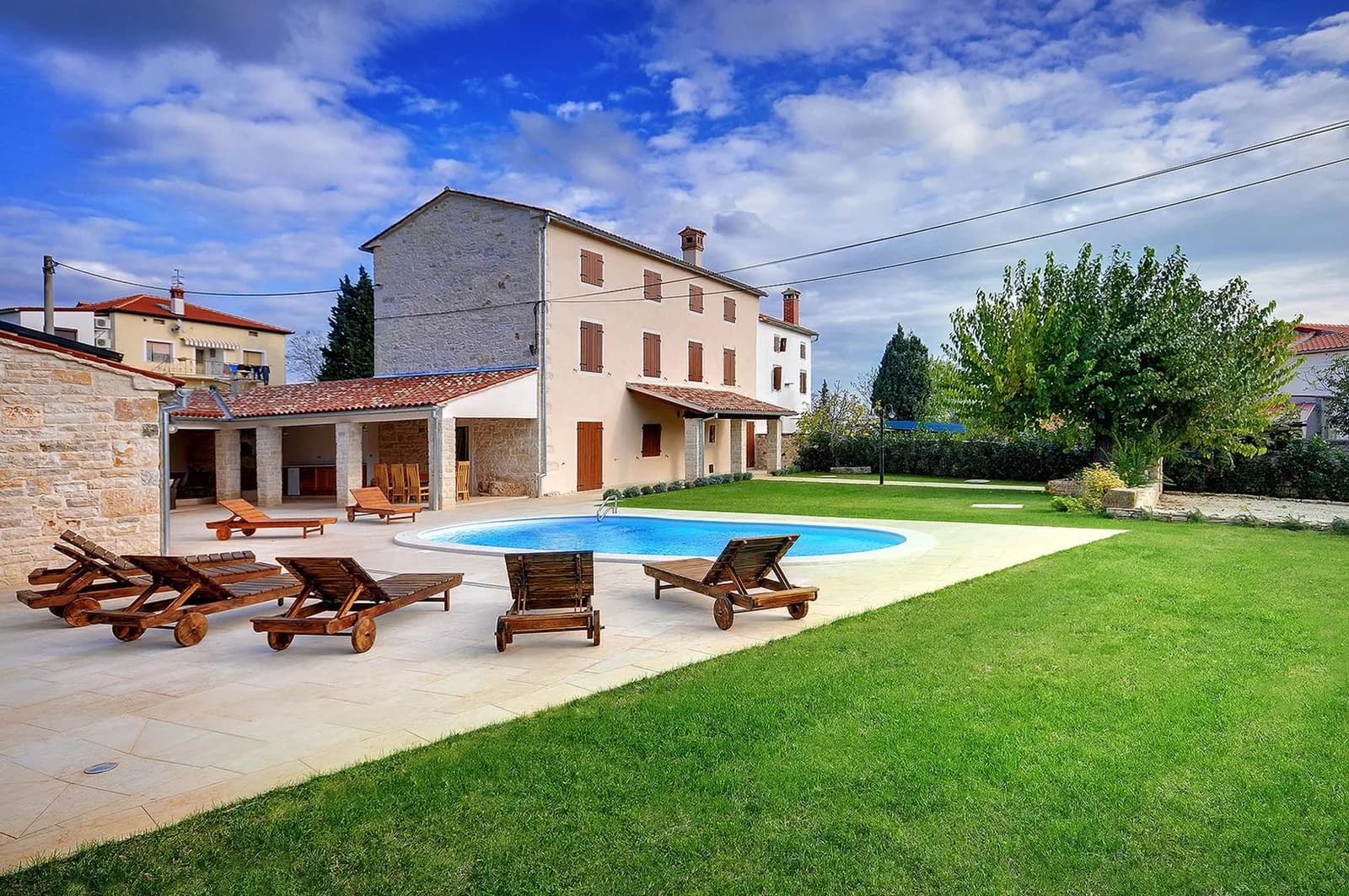
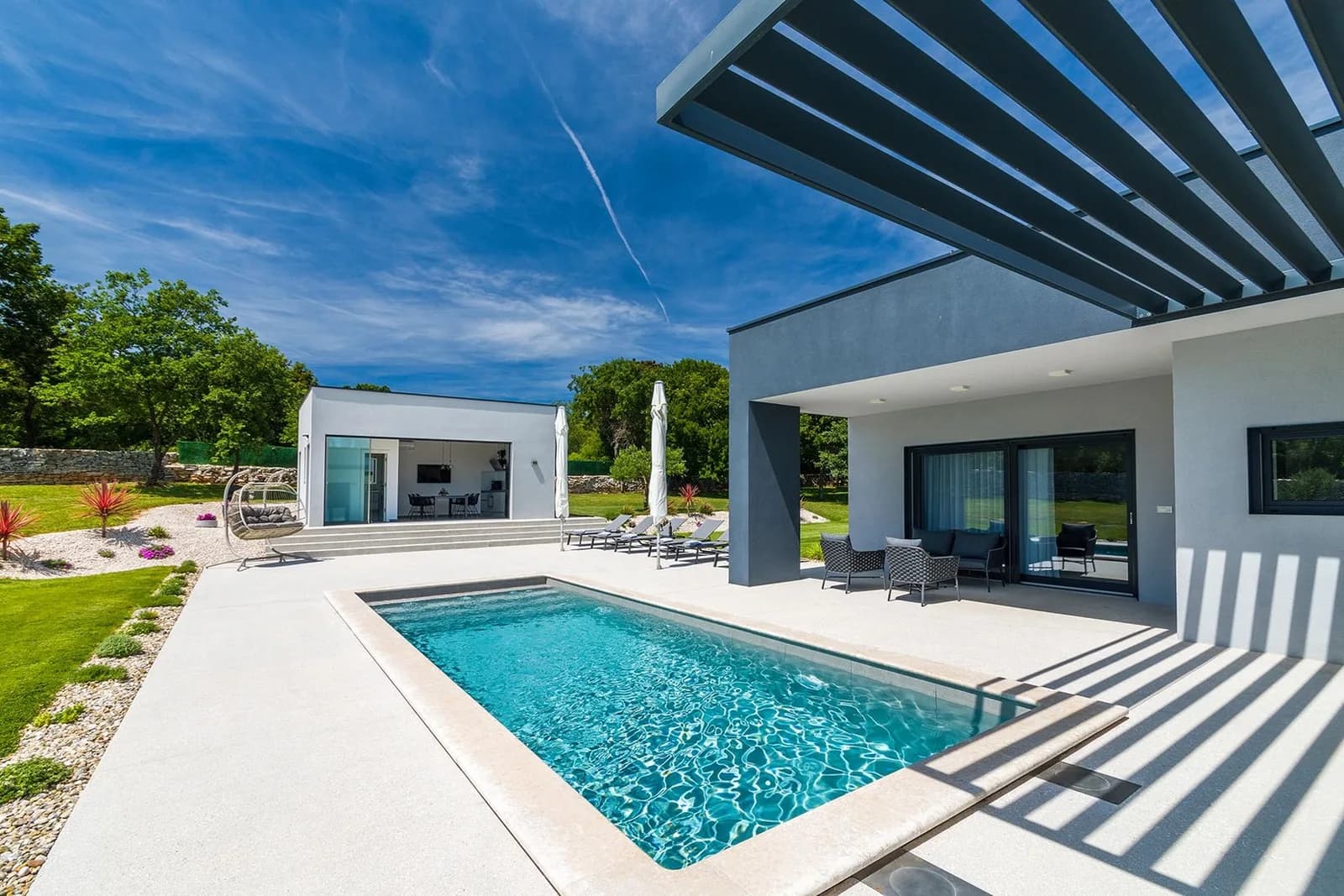
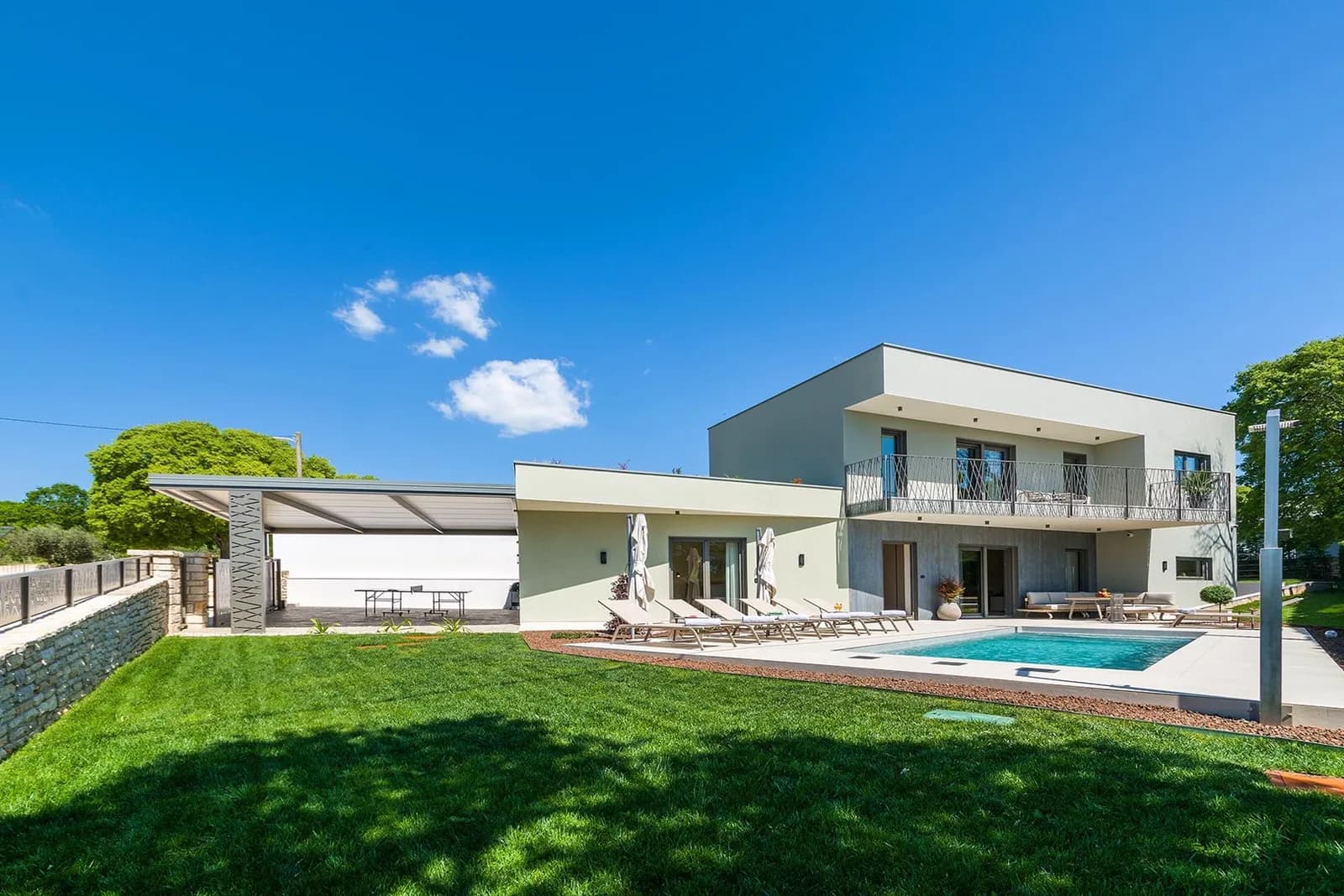
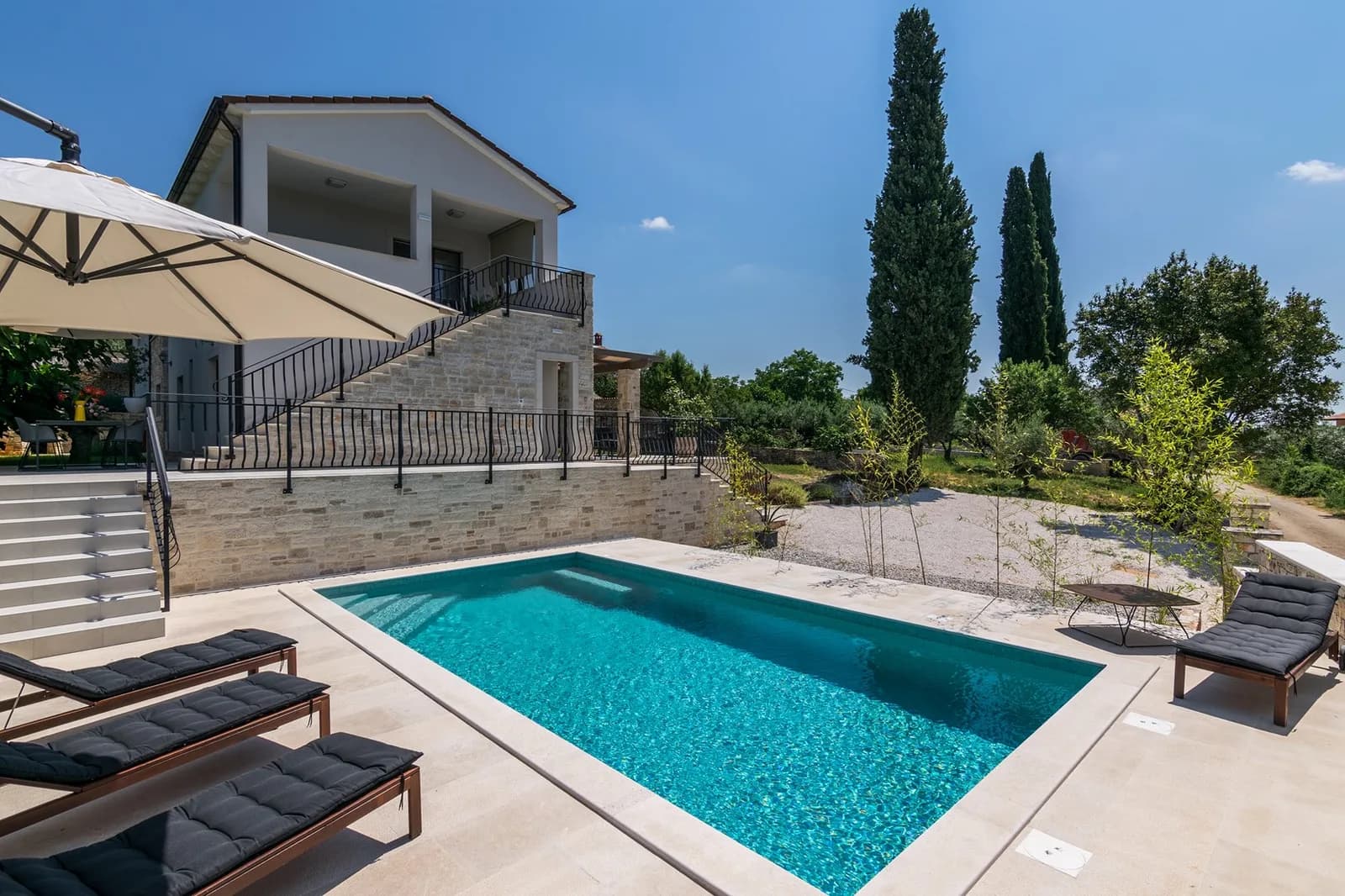
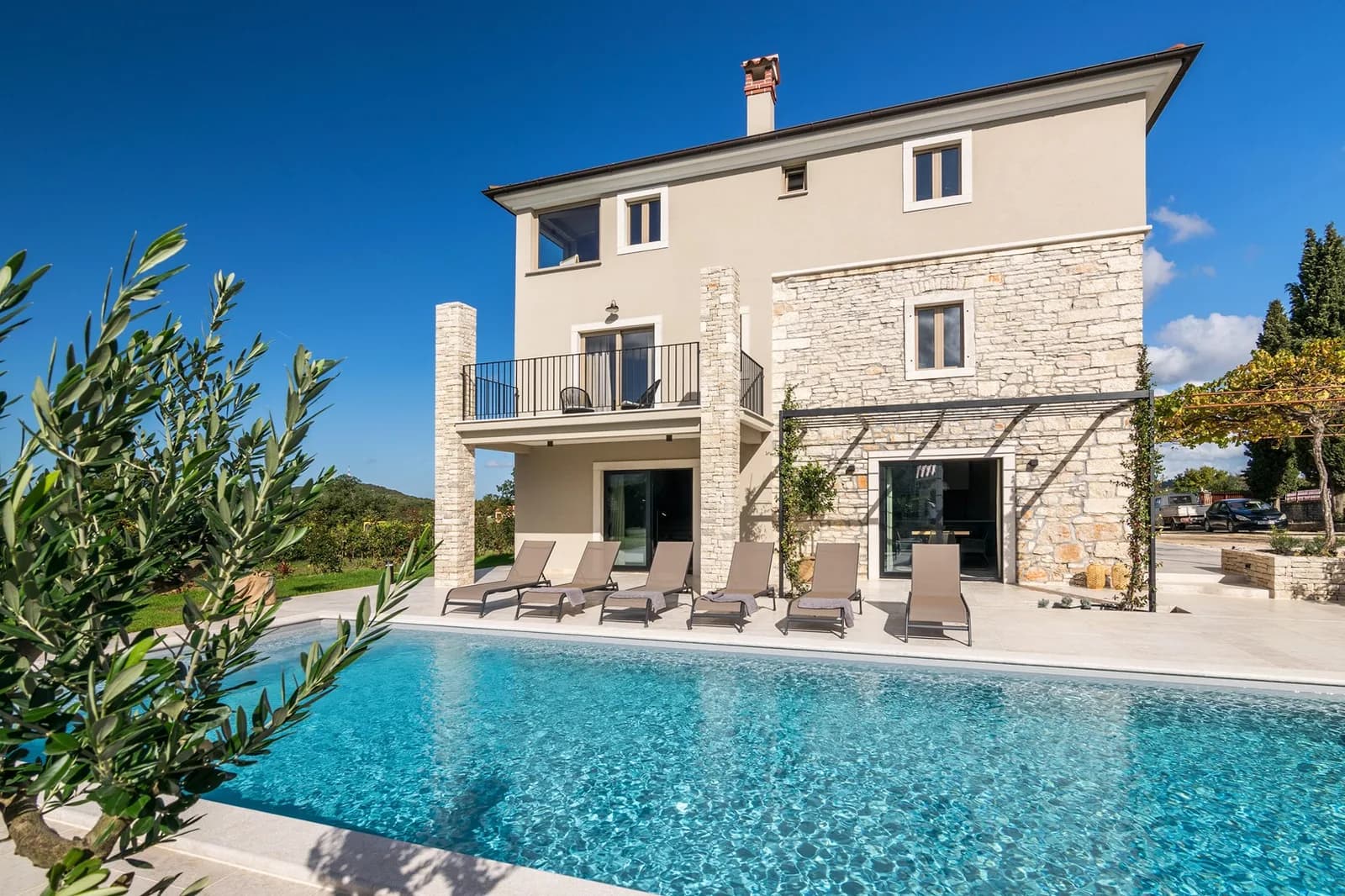
Our villas are in and around Rovinj: in the villages of Sošići, Golaš and Rovinjsko Selo, and in Bale. One villa is close to Rovinj itself, about 2 km from the town centre. Some villas are about 2 km from the sea, others lie inland, 6 to 12 km from it. From every villa it is roughly 23 to 29 km to Pula Airport. In the villages the centre is mostly within a kilometre; for day trips and beaches a car is useful. These distances are measured on the map from each house, as the crow flies, so the actual drive is usually longer.
Food and drink
Rovinj’s restaurants are known for fresh fish and seafood, and the countryside behind the town for what Istria is famous for: olive oil, truffles, homemade pasta such as fuži, and the white Malvazija wine.